Free editorial research · Taipei, Taiwan

Luminal Investment Review

Examining how AI investment claims hold up against data provenance and reproducible research — one method, one dataset, one published note at a time.

Read the research focus
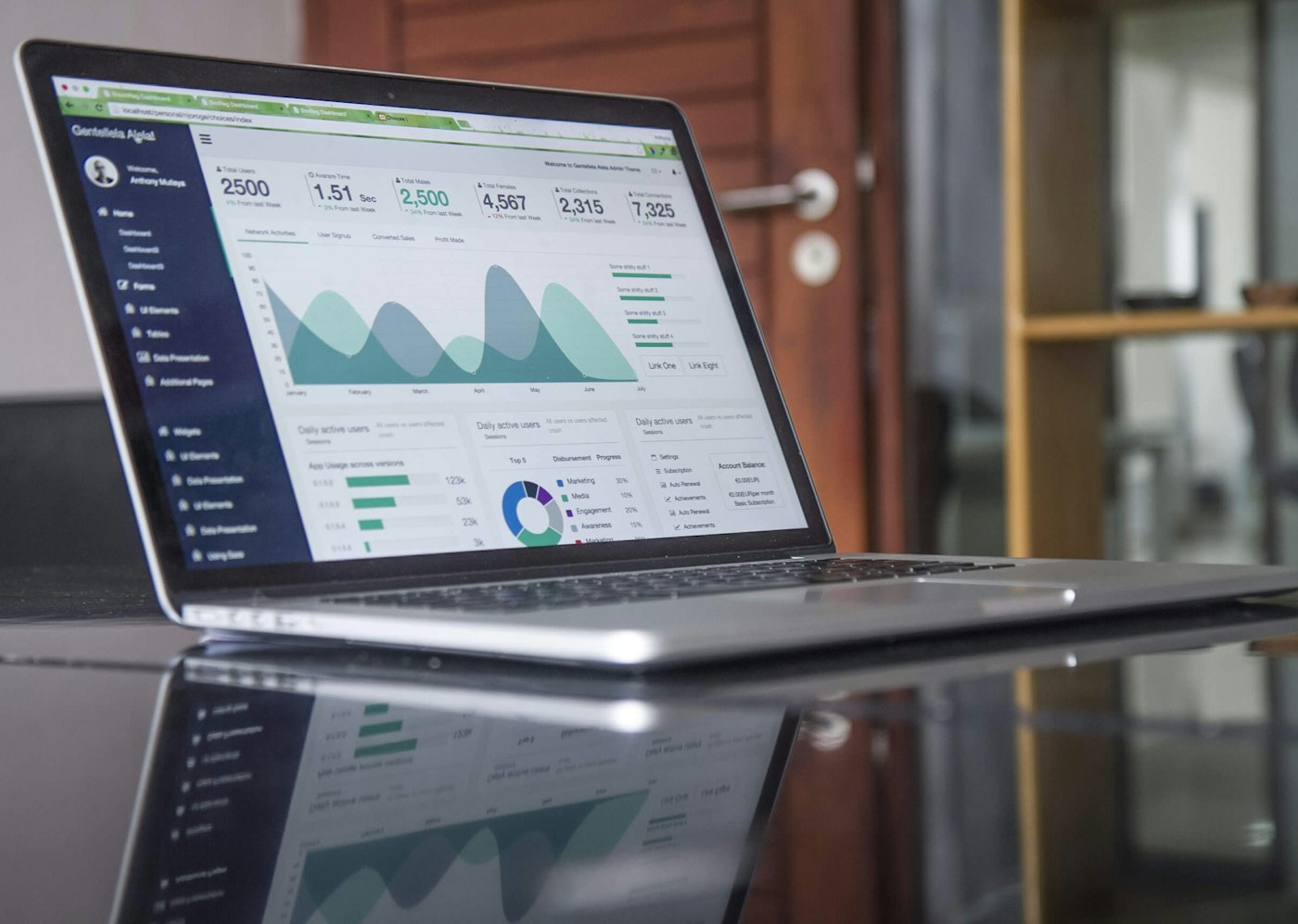
A trader's workstation showing live market data screens and price charts

The provenance problem

Most AI investment claims cannot be traced back to their data.

A model that picks stocks is only as trustworthy as the prices, fundamentals, and alternative data it was trained on. Yet the trail from a published return figure to the underlying dataset is rarely published. We start every review by asking where the numbers came from, how they were cleaned, and whether anyone else could rebuild the same experiment.

That question — could a second analyst reproduce this? — is the spine of every article we publish here.

What we examine

Three lenses applied to every AI-investment study we review

Each note follows the same inspection path so readers can compare studies on equal terms.

01 · Data provenance

Where did each input feature actually come from?

We map every claimed input — price feeds, fundamentals, news sentiment, satellite or alternative data — to its original source, licence, and collection window. A feature with no retrievable origin is flagged, not quietly accepted.

02 · Reproducible pipelines

Could a second analyst rebuild the result?

We look for fixed seeds, versioned code, documented preprocessing, and a runnable notebook or script. When a study only publishes conclusions and not the pipeline, we say so plainly and rate the claim as not independently reproducible.

03 · Model lineage

Which model, which version, which checkpoint?

From the architecture family to the trained weights, we record what was actually evaluated. A backtest run against an unspecified or later-retrained model is treated as a different experiment from the one a reader would face today.

Our editorial method

How a single review moves from claim to published note

A short, repeatable process keeps every article honest and comparable.

1

Capture the claim verbatim

We quote the return, accuracy, or prediction figure exactly as published, with its date and source, before any analysis begins.

2

Trace the data lineage

We list every dataset behind the claim, its vendor or public origin, and the time window used for training and evaluation.

3

Attempt reproduction

Where code or data is available, we re-run the pipeline from scratch. When it is withheld, we list precisely which pieces are missing instead of filling the gaps ourselves.

4

Publish the note

We release a short editorial note with the verdict — reproducible, partial, or not reproducible — and the evidence behind it.

A code notebook open on a laptop showing data analysis cells and output charts

A reproduction notebook is the artefact we look for first — and the one we publish when we can.

An editorial desk with notebooks, printed research papers, and a cup of tea

Who this is for

Read it if you read AI investment claims — skip it if you want a tip.

This is for you if

  • You read AI-investment papers or vendor decks and want to know which numbers hold up.
  • You care about dataset origins, fixed seeds, and runnable code more than headline returns.
  • You want a calm, method-led read rather than a stock pick.

This is not for you if

  • You want personalised investment advice or a recommended portfolio.
  • You expect a paid signal, subscription, or managed account.
  • You need someone to execute trades on your behalf.

Questions we hear

Before you write in, a few honest answers

Is this investment advice?

No. The articles are editorial and informational only. Nothing published here recommends any particular security, and no personalised advice is offered to any reader.

Do you sell anything?

No. There is nothing to buy here — no subscriptions, managed accounts, bookings, deposits, or trade execution. The editorial content is free; the only way to reach us is the inquiry form.

How do you choose what to review?

We pick AI-investment studies whose claims are specific enough to test — a quoted return, an accuracy figure, or a concrete prediction — and where some trace of data or code is public enough to follow.

Can I suggest a study to review?

Yes. Send the claim, its source, and any linked dataset or code through the inquiry form and we will consider it for a future note.

Have an AI-investment claim you want examined for provenance and reproducibility?

Send us an inquiry